
Change management

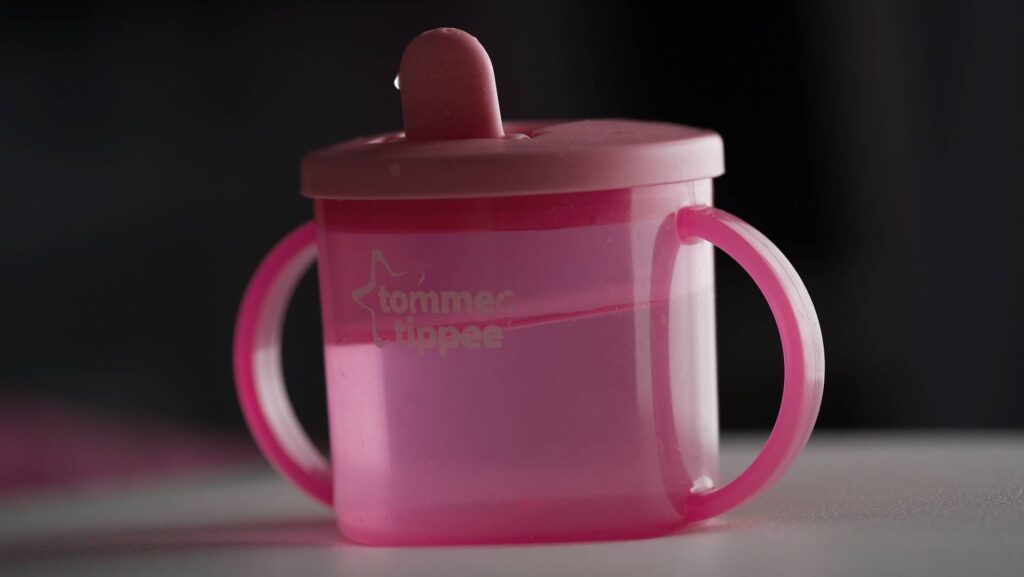
tommee tippee cup

Watching our children grow often means helping them face changes they’d rather avoid, and sometimes discovering that we’re struggling with those changes too. In this honest and relatable reflection, a mum shares the ups and downs of helping her daughter move on from a much-loved baby bottle. Along the way, she realises that learning to embrace change is a challenge for all of us. If you're navigating transitions with your child, this article offers reassurance, understanding and gentle encouragement for the journey.

A gentle note:

This article includes honest reflections on parenting challenges, additional needs, and the stress that can come with major changes and transitions. If you're feeling overwhelmed by a difficult season, please read at your own pace and take breaks if needed. Remember that every child and family is different, and it's okay if change takes time. If you'd value extra encouragement, you may find support through Care for the Family's parenting and additional needs resources.

One of our Additional Needs Support Befrienders, Kate, is a blogger.

Here she writes about the challenge she faced when she tried to wean her daughter off her bottle and on to a toddler cup. As ever, the little one’s struggle taught her mum an important lesson.

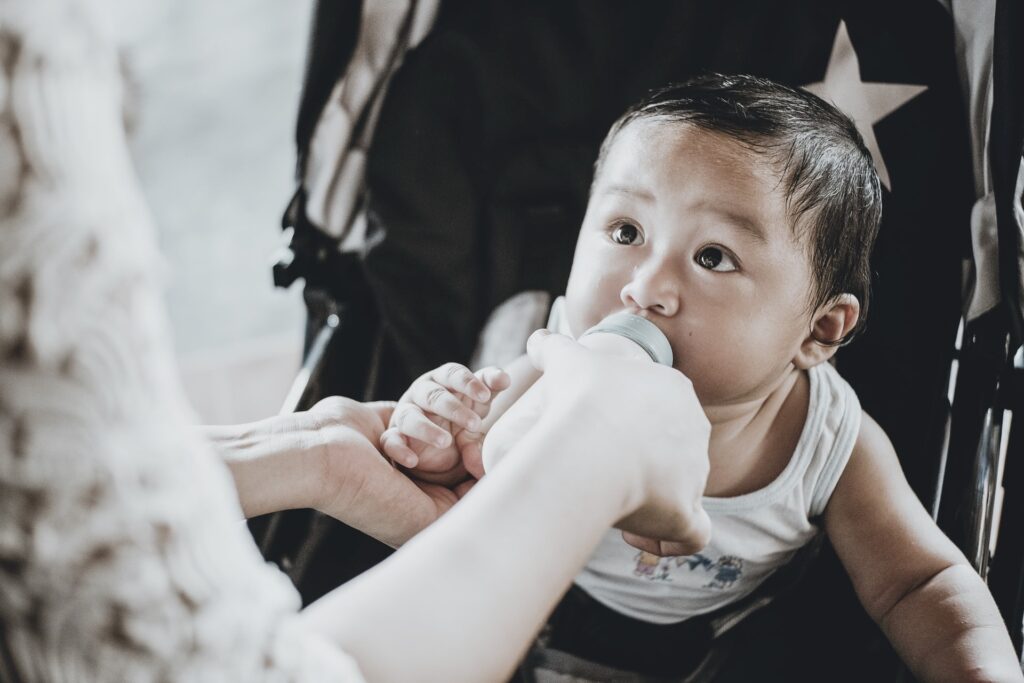
We recently attempted to get our little girl off the bottle and onto a Tommy Tippee cup. To say it didn’t go well would be a gross understatement. The health visitor had advised going ‘cold turkey’ with the bottles as our girl is three and really shouldn’t be still using a bottle. She told us, ‘The longer you delay, the more difficult it will be.’

But she loves the comfort, familiarity and cuddles that come with her bottle. She knows what to do and feels a sense of security with her bottle. She has Down’s syndrome which makes some of the advice around transitioning from bottle to cup a bit more tricky. She doesn’t yet have understanding around things like choices. It wouldn’t (yet) feel like a nice bit of motivation for her to choose her own cup and have a ‘wave goodbye to the bottle’ ceremony as advised.

So, operation cold turkey, or as we called it ‘rock on Tommy Tippee’, began. We lasted five long days which were full of tears and stress for both me and her. Each night, after a day of her not drinking anything, I would cave and give her a bottle as I couldn’t cope with her going to bed without any fluids. We gave in. Back to the bottle.

It’s several months on now and she has chewed a hole in her bottle teat. We cannot find an identical replacement and she can spot a new teat a mile off. I’ve taken advice from a local support group and they’ve advised to go cold turkey again and engage in some tough love. They feel it’s an issue of behaviour and control for our little one, rather than because she’s physically unable to use a new cup. I totally agree. When approached with a new cup, our normally chilled, chirpy and lovely little girl wriggles, screams, cries and throws a full on hissy fit.

She doesn’t like change. She doesn’t like transition. She doesn’t want to go cold turkey. She doesn’t want to rock on with Tommy. She likes familiarity and she likes to be in control. I relate so much to this myself. I don’t like change or transition periods either. I like to be in control too!

This year has felt like a year of cold turkey for me personally. For the first time in my life I’ve had a period of unemployment. The familiarity of working, being in a team, being part of something has been removed. Cold turkey. The familiar was taken away and replaced with uncertainty, and I feel out of control. I’m craving the familiar soothe of the past like my daughter craves the soothing nature of having a bottle. I’m having to be careful that I don’t have regular hissy fits during this transition period, while I feel unsettled and out of control.

I recognise that to grow and move forward in life I need to go through this transition. I know that it’s necessary even if it’s hard. I’m trying to learn to go with the flow and to accept that transition and cold turkey times can lead to new levels of happiness, fulfilment and development. Staying in a place of comfort and familiarity is not always a good thing long term. Transition and cold turkey can be an opportunity to ‘grow up’ and move on to the next stage well. I’m learning lots about choosing to trust, choosing to wait well and choosing excitement rather than fear when I can’t see what’s ahead.

I’m trying my best to have a ‘rock on Tommy’ attitude, getting ready for the next thing instead of craving the comfort of the past. I want to embrace the excitement of the unexpected that could be just around the corner. Let’s hope both me and my girl properly learn the cold turkey lesson – and quick!

Share your own story

We love to share stories of hope – if you feel your story could help others or have a story of how Care for the Family has helped you,  please tell us more.

Key takeaways

  • You’re not alone if your child finds change difficult and prefers familiar routines.
  • Parenting transitions can be emotional for parents as well as children.
  • Progress doesn’t always happen in a straight line, and setbacks don’t mean you’ve failed.
  • Children with additional needs may experience change differently, and flexibility is often needed.
  • Feeling unsettled during times of uncertainty is a normal human experience.
  • Growth often involves letting go of something familiar before the next stage becomes clear.
  • Choosing patience, hope and trust can help when you’re facing a season of transition.

Next steps

If this story resonates with you, take a moment to recognise how much you and your child may already be navigating. Rather than focusing on quick results, consider one small, manageable step that could help with the transition you’re facing. You might also find it helpful to connect with other parents who understand the unique joys and challenges of family life with additional needs.

If you know someone going through a similar season, sharing this article could offer encouragement and reassurance that they’re not alone. Care for the Family also provides support, resources and opportunities to connect with others on a similar journey.

Find support

About the author

Care for the Family’s Volunteer Befrienders play a vital role in supporting those needing specialist support. Through simple but powerful acts of listening and presence, they offer comfort and connection to people navigating difficult times in their lives.

You might be interested in

Teddy in a red jumper looking at a fireplace
Article

Discovering how to do Christmas differently with an autistic son

A mum of two boys under five, the eldest of whom is autistic and non-verbal, shares her experience of finding a different way to celebrate Christmas.

Couple with a disabled child on a slide
Article

The impact having a child with a disability had on one couple’s marriage

Aimee has been with her husband Ollie for seventeen years, married for eleven. They have three children, Freddie who is seven and has an extremely rare genetic condition, Bella who is almost six and Jago who is three.

Man looking through a window with his reflection
Article

Nick’s story: Life with Alex who has autism

Nicola, our Additional Needs Support Coordinator, speaks to Nick, dad to Alex who has autism. Nick shares with us an open and honest account of his personal struggles as a full-time carer, and how despite these challenges, he has strength and a hope for the future.

Family standing in a field with shadows
Article

Sarah’s story: Raising two children with additional needs

Sarah shares her experience and struggles raising two children with additional needs, and the support she found through being paired with a befriender; this support in turn inspiring her to help others facing similar challenges.

standing at a microphone
Article

Raising awareness of autism: Alex’s story

Alex Lowery, who is autistic, found the world a terrifying place. His book traces his journey from childhood fears to becoming a public speaker, trainer, blogger and film maker.

brothers
Article

Autism and the family

Additional Needs volunteer Rachel shares her story about her two very different autistic sons Toby and Teddy.

Help us support families today

Caring for a partner's mental health can be one of the hardest parts of married life — and Care for the Family is here for couples walking through it. If you're able to make a one-off donation to support our work, we'd be very grateful. Thank you.

Make a donation
Skip to content